The furniture industry is experiencing a digital transformation driven by changing consumer expectations and new technology capabilities. At the center of this shift: interactive 3D catalogs that replace traditional product photography with immersive experiences.
The Limitations of Product Photography
Traditional product photography serves its purpose, but it has inherent limitations. Each colorway, configuration, and context shot requires a separate photo shoot. For a sofa with 20 fabric options, 3 leg styles, and 5 context rooms, that's 300 individual photos — each requiring physical samples, studio time, and post-production.
And once those photos are taken, they're static. You can't rotate them, change the room, or see them with different products.
The 3D Catalog Advantage
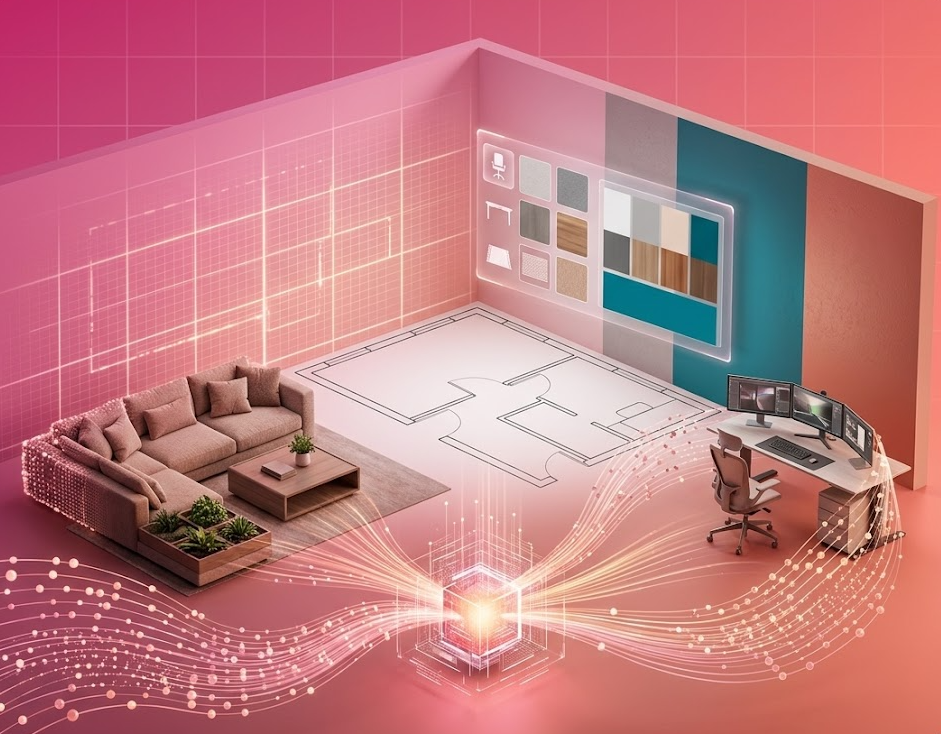
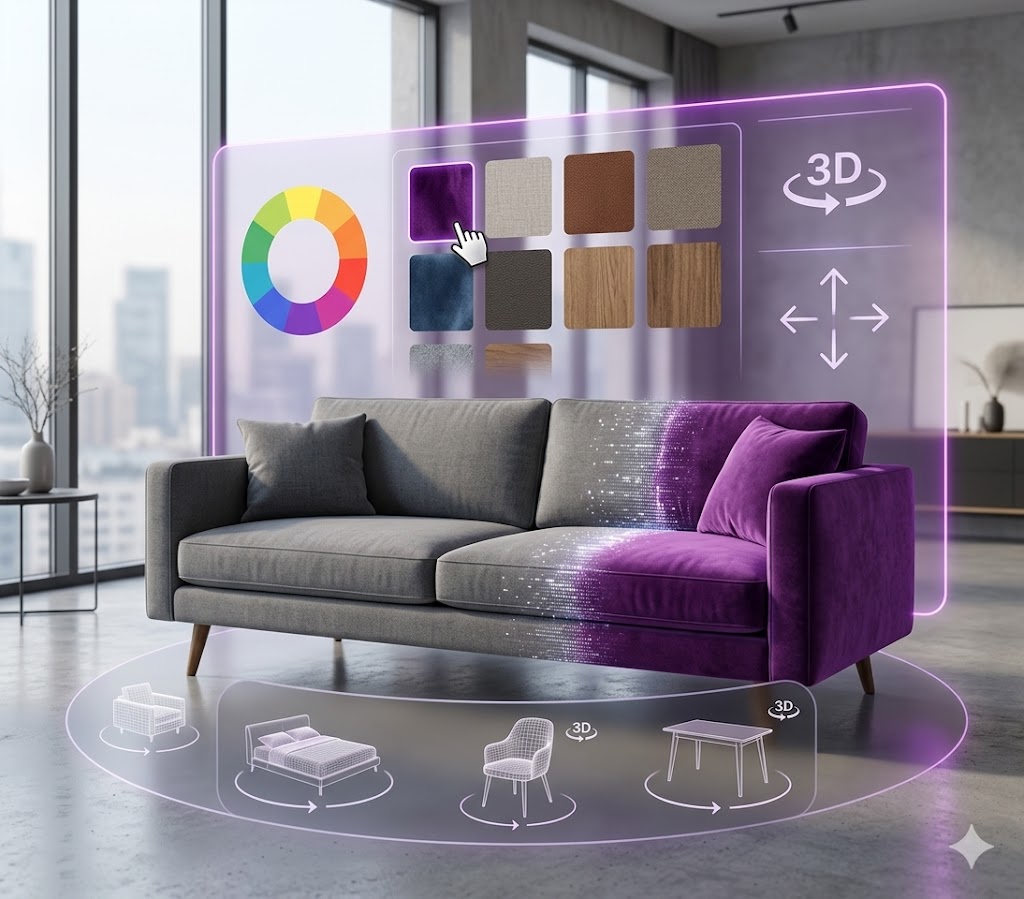
A single 3D model can generate unlimited configurations and contexts. Once the base model is created, every fabric, finish, and size variation can be shown instantly. Room contexts can be changed with a click. And customers can interact with the product — rotating, zooming, and configuring it to their exact specifications.
Real-Time Product Configurators
The most powerful application is real-time product configuration. Customers can see exactly what they're buying — with their chosen fabric, legs, and dimensions — in a photorealistic room context. This reduces purchase anxiety and dramatically lowers return rates.
Witmodel enables brands to create these experiences without building custom software. Upload your 3D models, define material variants, and embed interactive configurators directly on your website.
The ROI of 3D
Brands that have adopted 3D catalogs consistently report:
- 40-60% reduction in product photography costs
- 25-35% increase in online conversion rates
- 20-30% reduction in product returns
- Faster time-to-market for new products (no photo shoot scheduling)
The initial investment in 3D asset creation pays for itself quickly, and the assets continue to generate value across marketing, e-commerce, and sales channels.
Getting Started
The transition doesn't need to happen overnight. Many brands start with their bestselling products, creating 3D models and configurators for their top 20% of SKUs. As the workflow matures and ROI is proven, the catalog expands to cover the full range.